Puppy Biting: Why It Happens and What to Do
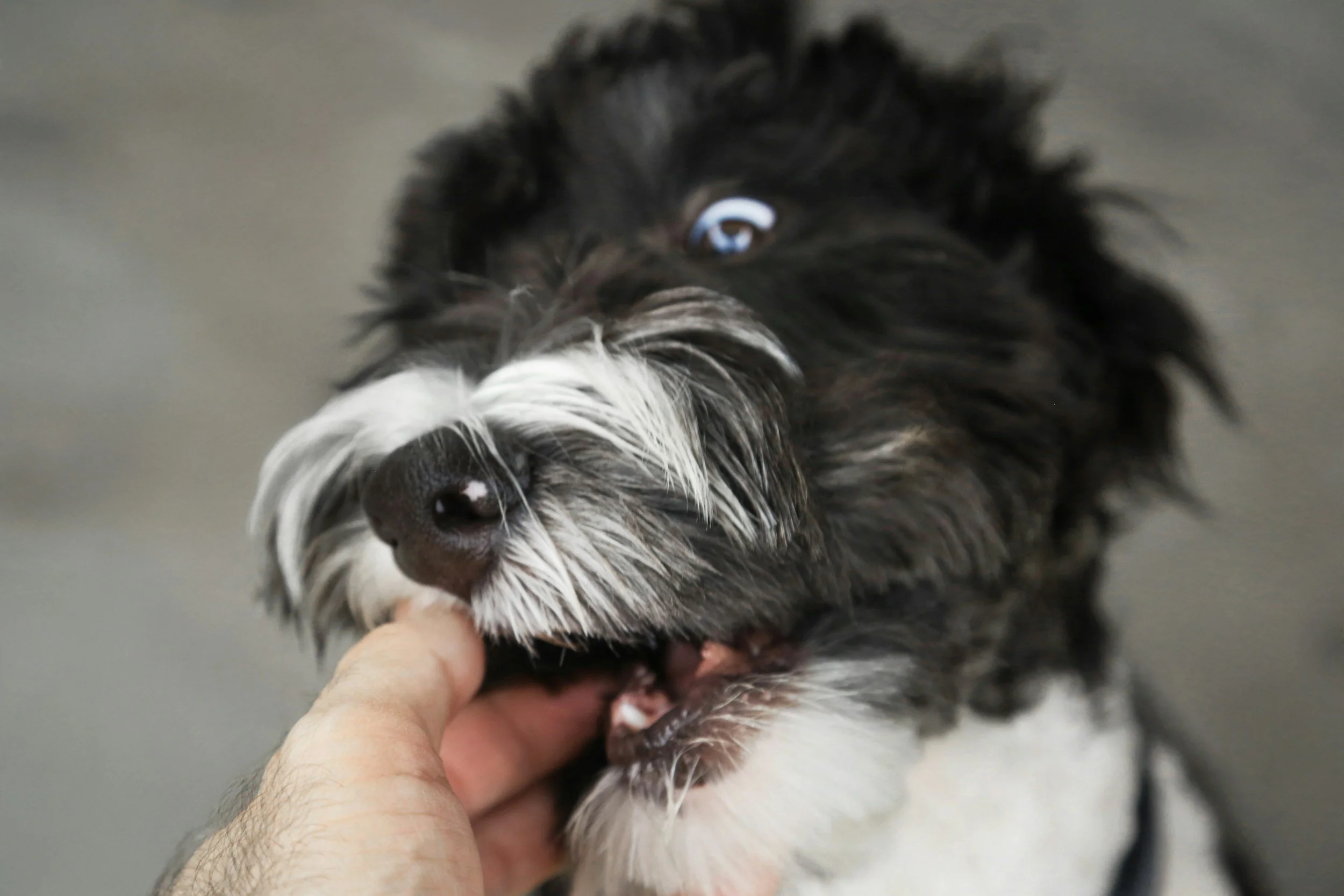
Puppy biting is one of the most common (and frustrating) challenges new owners face. Sharp teeth, sore hands, and constant nipping can quickly leave people feeling overwhelmed.
The good news? Puppy biting is completely normal—and with the right approach, it does improve. Understanding why puppies bite is the first step to knowing how to respond.
Why Puppies Bite
Puppies don’t bite to be naughty or aggressive. They bite because it’s a natural part of development and learning.
Common reasons include:
1. Teething
As puppies grow, their teeth erupt and their mouths feel uncomfortable. Biting and chewing help relieve that sensation. Often our hands seem to be the most soothing to them!
2. Exploration and Learning
Puppies explore the world with their mouths. Biting is how they learn about objects, people, and play.
3. Play Behaviour
Puppies learn bite pressure through play—especially with other dogs. Without guidance, they don’t know what pressure is okay during play with humans.
4. Overstimulation and Tiredness
Overtired puppies often bite more. When arousal levels rise and self-control drops, nipping increases.
What Not to Do About Puppy Biting
It’s easy to feel tempted to:
• Yell or scold
• Push the puppy away
• Hold their mouth shut
• Use punishment or aversive tools
These responses can increase frustration, fear, and confusion, and often make biting worse rather than better.
What To Do Instead
1. Teach What to Bite
Always have appropriate chew items available. Redirect biting onto:
• Puppy-safe chew toys
• Soft tugs
• Frozen teething toys including frozen carrots
Reward your puppy for choosing these items.
2. Manage Arousal Levels
If biting increases, ask:
• Is my puppy overtired?
• Have they had enough rest?
Puppies need a surprising amount of sleep. Regular naps help reduce biting significantly. Take a look at our Sleep blog post!
3. Reinforce Calm Behaviour
Reward moments when your puppy is calm, gentle, or chooses not to bite. Calm behaviour doesn’t come naturally—it needs to be taught and reinforced.
4. Take Short Breaks
If biting escalates, calmly remove yourself or use a barrier like a baby gate. This isn’t punishment—it’s giving your puppy time to settle and reset. Try not to pick up and remove your puppy, removing yourself from the equation is the calmest and quickest way to do it.
5. Teach Gentle Interaction
Encourage games that don’t involve hands near mouths. Avoid rough play that increases excitement and biting.
How Long Does Puppy Biting Last?
For most puppies, biting peaks during teething and gradually improves as they:
• Develop better impulse control
• Learn appropriate play
• Finish teething
Consistency is key. Progress happens over weeks and months, not days.
When to Get Extra Help
If puppy biting:
• Feels intense or unmanageable
• Is causing stress in the household
• Doesn’t improve with consistent support
A qualified dog trainer or behaviourist can help tailor a plan for your puppy and lifestyle.
Patience Makes the Difference
Puppy biting isn’t a sign you’re doing something wrong—it’s part of raising a puppy. With guidance, management, and positive reinforcement, puppies learn how to interact gently and appropriately.
At Weird & Wonderful Dog Training and Behaviour, we support puppy owners through every stage of development using kind, evidence-based training methods. Take a look at our training sessions and our Puppy Package
If you’re struggling with puppy biting, you don’t have to manage it alone—we’re here to help.
Casey x