Helping your reactive dog
What can you expect from our reactivity training…
For those of you who are unsure, reactivity is often characterised by behaviours such as lunging, barking, growling and our dogs being generally upset by a certain trigger. Whether that be other dogs, people, cars and more.
Reactivity is one of my favourite things to work with, it can be a challenging behaviour but seeing the progress in dog and guardian is my all time favourite thing. Guiding your dog through their reactivity makes a huge impact on their quality of life 🐶 as well as yours!
When I worked in a rescue, I worked with one dog in particular that I fell in love with. Molly, a German Shepherd who was super reactive to other dogs, on arrival she would even react to a banner that had a dog pictured on it. But seeing the progress she made whilst with us, was so rewarding.
Changing her emotional response to the sight of other dogs meant that Molly could enjoy her walks and have a reduced stress level ⬇️
Reactivity training isn’t about creating a social dog. It’s important to understand that starting your reactivity training will not suddenly make your dog the life of the party 🪩
Our ultimate goal is to get our dogs to be able to ignore their trigger and move away. Making walks much more bearable for us and them, over time we will work on changing that emotional reaction to something calmer as well as teaching them to focus on us. If you are a reactive dog owner reading this, I'm sure you dream of your dog being able to walk passed others with no reaction!
In our reactivity training, we come up with a plan that includes lots of different aspects.
We look at what we can implement at home to destress our dogs and help them become more fulfilled and calm. This may include things like enrichment and rest days. After a stress response, our dogs stress hormones such as adrenaline can remain high for up to 72 hours after the event- every reaction will create a stress response. We look at implementing easy tactics that can bring those levels down, which in turn will help us implement the training.
A lot of reactivity training is to help educate dog owners on what actually is going on underneath it all. Sometimes just learning the whys and hows can help us have more understanding and empathy for our dogs. We take a deep dive into your dog’s behaviour and look at the whole picture and not just the behaviour itself. If we don’t understand the reasons why, we can’t put an effective plan in place. It is important to understand the cause behind the behaviours so that we can work on the root problem.
We add in lots of training games to give our dogs specific skills that we can work up to using when they see their trigger. Games such as Engage Disengage and This Way to move them away from triggers. Giving you as the handler more confidence and tactics to help manage and prevent reactivity on your walks.
We add in management to reduce the amount that they practice undesirable behaviours like barking and lunging. Things like managing where we walk and adding in distance away from triggers. Learning to always advocate for our dogs.
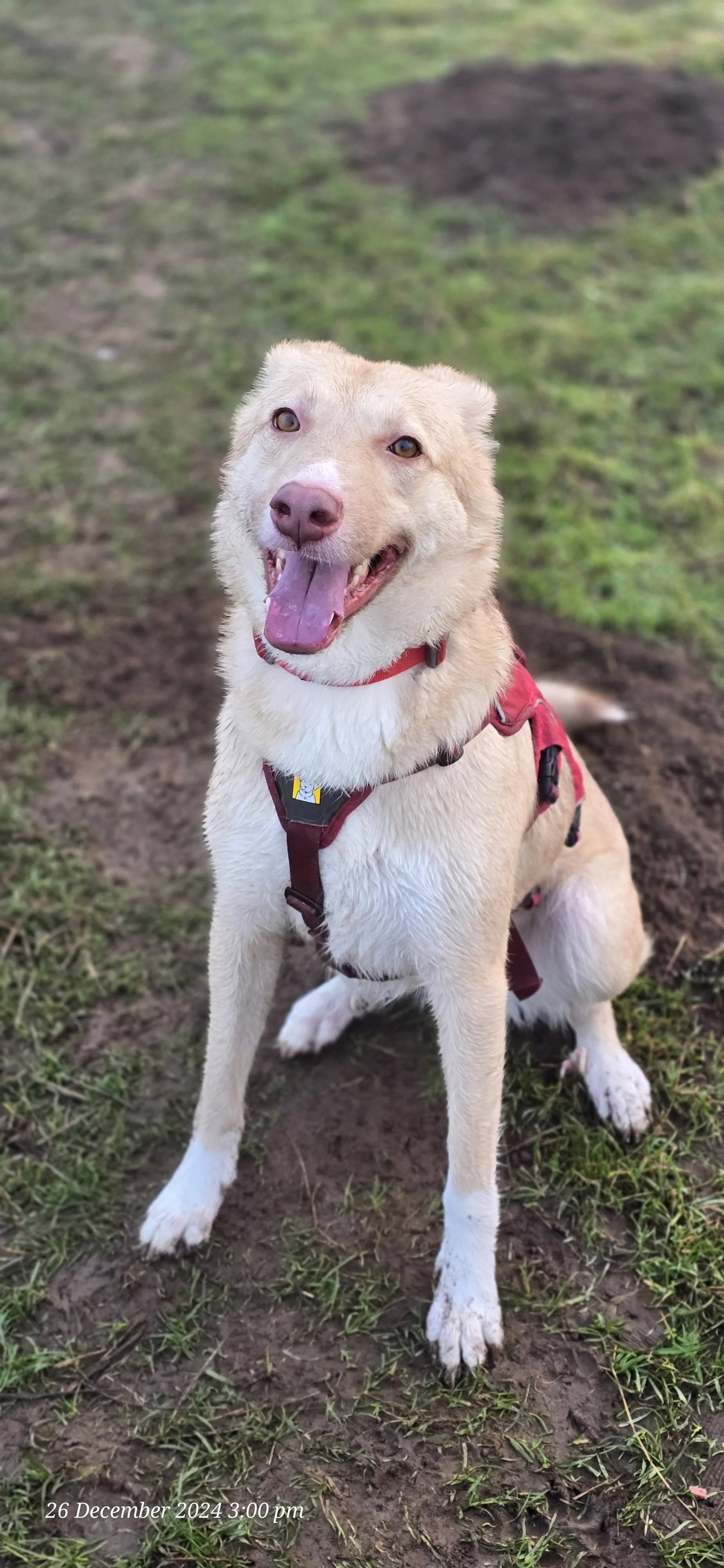
Working with your reactive dog may seem impossible, it can be frustrating and hard to cope with. I know myself, from my own dog Nessie, pictured below. Nessie was reactive towards EVERYTHING! I’m talking people, bikes, vehicles, other dogs and animals- she found the world a very scary place. But with consistency, patience and training- me and Nessie can now go for enjoyable walks where she will ignore 99% of the things she used to react to. She is much more confident, focused and calm.
If you have a reactive dog and are unsure where to start, get in touch today :)
Weird & Wonderful, Dog Training and Behaviour 💚