How Dogs Learn: Explained Simply
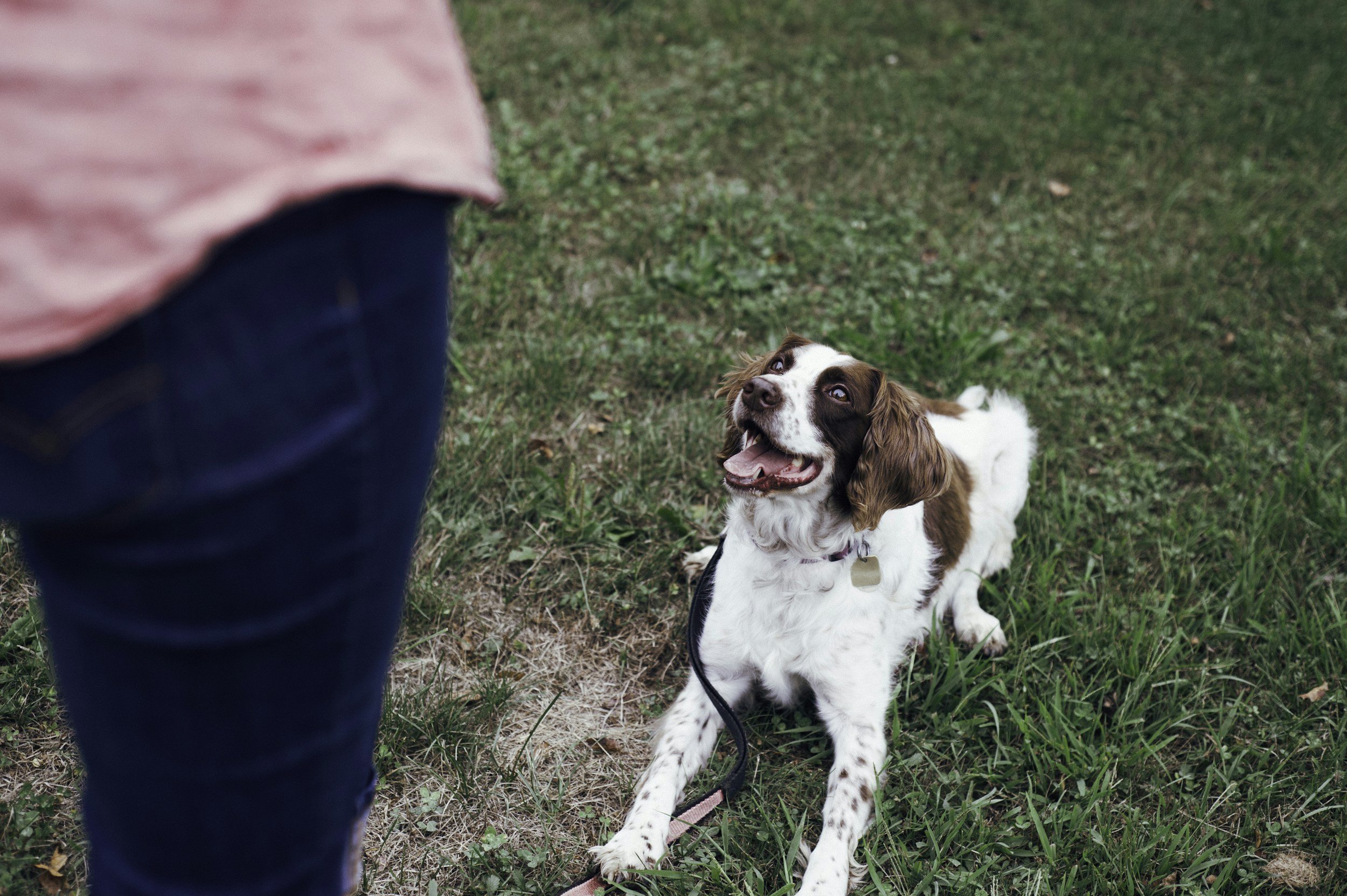
Understanding how dogs learn can make training feel less confusing and far more effective. When owners know why certain approaches work (and others don’t), training becomes clearer, kinder, and more successful.
Let’s break it down—simply.
Dogs Learn Through Association
Dogs are constantly learning by making associations. They link:
• Actions with outcomes
• Environments with feelings
• People with experiences
If a behaviour leads to something good, that behaviour is more likely to happen again. If an experience feels scary or stressful, dogs will try to avoid it in the future.
The Four Consequences of Behaviour (Made Easy)
In dog training, behaviour is influenced by what happens after it. There are four basic outcomes, but you don’t need to memorise technical terms to understand the idea.
• Something good is added → behaviour increases
• Something good is removed → behaviour decreases
• Something unpleasant is added → behaviour decreases
• Something unpleasant is removed → behaviour increases
We focus on adding good things—because it’s effective and protects emotional wellbeing.
Why Timing Matters
Dogs live in the moment. For learning to happen:
• Rewards must come immediately
• Feedback needs to be clear and consistent
If too much time passes, dogs can’t connect the reward to the behaviour you wanted. This is why in our training we use what’s known as marker words, similar to clicker training.
Repetition Builds Understanding
Dogs don’t generalise well. A behaviour learned in one place doesn’t automatically transfer to another.
This means:
• Training needs repetition
• Skills must be practised in different environments
• Progress happens gradually
Consistency matters more than perfection.
Emotion Affects Learning
A dog’s emotional state plays a huge role in learning. Dogs that feel:
• Stressed
• Frightened
• Overstimulated
will struggle to learn effectively. Calm, safe dogs learn faster and retain information better. That’s why we prioritise emotional wellbeing alongside training skills.
Why Punishment Gets in the Way
Punishment may stop behaviour in the moment, but it doesn’t teach dogs what to do instead. It can also:
• Increase fear or anxiety
• Damage trust
• Suppress important communication
Learning works best when dogs feel safe enough to make mistakes and try again.
What This Means for Everyday Training
Effective training is:
• Clear
• Kind
• Consistent
• Reward-based
It’s about setting dogs up to succeed, rather than catching them doing something wrong.
Simple Learning, Lasting Results
Dogs aren’t trying to be difficult—they’re responding to what they’ve learned works for them. When we understand how dogs learn, training becomes more predictable, humane, and enjoyable for everyone.
At Weird & Wonderful Dog Training and Behaviour, we use evidence-based, positive reinforcement methods that align with how dogs naturally learn.
If you’re feeling stuck or unsure about your dog’s training, we’re here to help.
Casey x