Trigger Stacking: How Stress Builds in Dogs
Ever notice that your dog reacts calmly at first, but after a few stressful events, suddenly overreacts? This is called trigger stacking, and understanding it can make a huge difference in managing behaviour.
What Is Trigger Stacking?
Trigger stacking happens when a dog experiences multiple low-level stressors that gradually add up. Each individual stressor might be manageable on its own, but together they can push the dog past their coping threshold, leading to stronger reactions than you might expect.
Think of it like a cup filling with water—each trigger adds a little more. Eventually, the cup overflows.
Common Triggers That Can Stack
Stressors can vary widely between dogs, but common examples include:
• Other dogs barking or approaching
• Loud noises like traffic or sirens
• Unfamiliar people or children
• Handling that feels uncomfortable
• Physical discomfort or fatigue
• Overstimulation from long walks or play sessions
Individually, your dog may handle these well. Together, they can overwhelm them.
Why Trigger Stacking Happens
Dogs have limited coping capacity. Factors that affect this include:
• Age or health
• Personality and temperament
• Prior experiences (especially fearful or traumatic ones)
• Environment and routine
• Level of training and confidence
Even a well-trained dog can be affected if too many stressors occur in a short period.
Signs Your Dog Is Stacking Triggers
Subtle signs often appear before overt behaviours like barking, lunging, or growling:
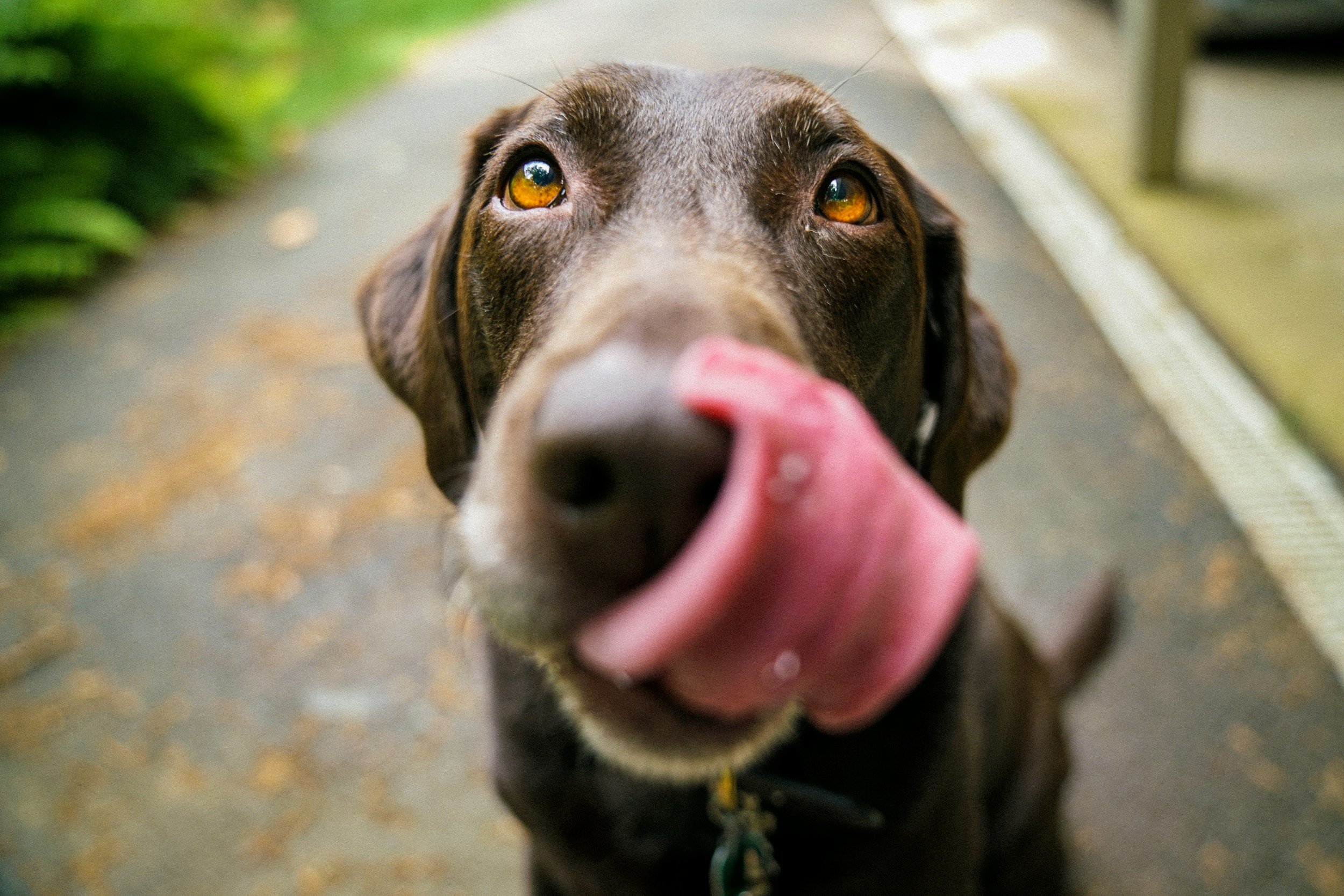
• Lip licking or yawning
• Avoiding eye contact
• Paw lifting or shifting weight
• Tail tucked or low posture
• Panting or pacing
Recognising these signals allows you to intervene before your dog reaches their “overflow point.”
How to Manage Trigger Stacking
1. Identify Your Dog’s Triggers
Keep a diary of situations that cause stress or reactive behaviour. Patterns often emerge.
2. Reduce Overload
Limit exposure to multiple triggers at once. Introduce new experiences gradually and positively.
3. Build Coping Skills
Teach your dog alternative behaviours and relaxation skills. Reward calm, safe choices.
4. Provide Safe Spaces
Allow your dog to retreat when they need a break. Safe zones help them reset and prevent escalation.
5. Manage Energy and Environment
Ensure your dog has adequate rest, predictable routines, and positive experiences to buffer against stress.
Why Positive Reinforcement Matters
Trigger stacking is best addressed with positive reinforcement, not punishment. Force or aversive methods increase stress and can worsen reactivity.
Rewarding calm behaviour, confidence, and coping skills helps your dog learn how to respond safely—even when stress accumulates.
Trigger Stacking Is Normal
It’s important to remember: trigger stacking doesn’t mean your dog is “bad” or failing. It’s a natural part of how dogs process stress. With awareness, planning, and positive reinforcement, most dogs can handle triggers more effectively and stay calm in challenging situations.
Our Approach
At Weird & Wonderful Dog Training and Behaviour, we help dogs and owners recognise triggers, prevent stacking, and build reliable coping skills. By focusing on emotional wellbeing and evidence-based training, we set dogs up for long-term success.
Casey x